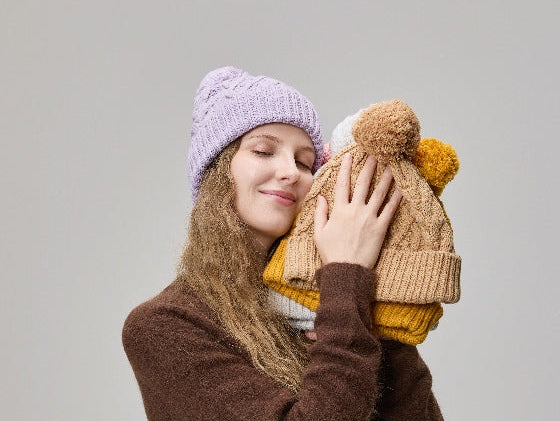
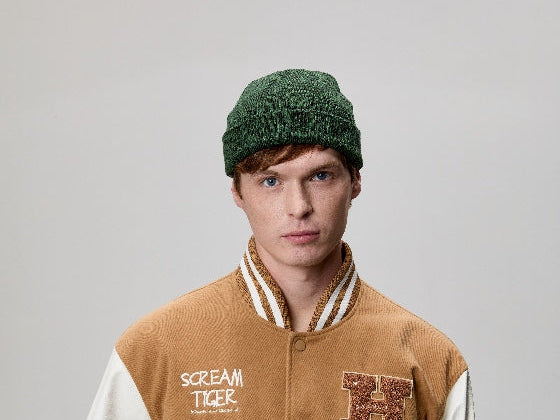
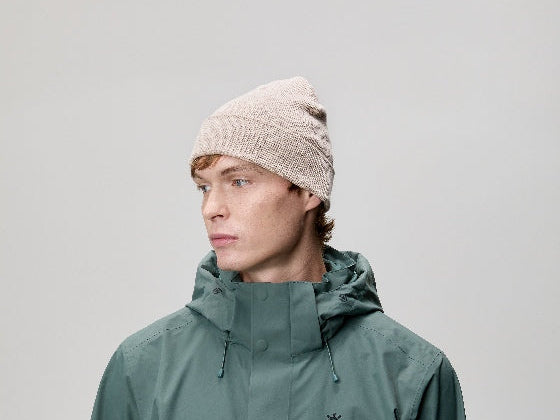

Viele Menschen lieben Beanies. Einst als praktischer Schutz vor Kälte angesehen, haben Beanies sich zu einem vielseitigen Accessoire entwickelt, das in der globalen Modewelt einen festen Platz einnimmt. Von lässiger Streetwear bis hin zu High-Fashion-Laufstegen sind Beanies zu unverzichtbaren Bestandteilen moderner Garderoben geworden.
Mit ihrer wachsenden Beliebtheit ist die Nachfrage nach Custom Beanies gestiegen – ein lebendiger Markt, in dem Design und Handwerkskunst aufeinandertreffen. Doch das wirft die zentrale Frage auf:
👉 Wie verwandeln Sie Ihre Idee in eine einzigartige Custom Beanie?
Im heutigen Artikel führen wir Sie durch jede Phase des Individualisierungsprozesses – vom ersten Funken Inspiration bis zum Endprodukt – damit Sie Ihr eigenes Design selbstbewusst zum Leben erwecken können. Tauchen wir ein!

1. Definieren Sie Ihren Zweck und Ihre Zielgruppe
Bevor Sie Stile oder Farben wählen, beginnen Sie mit dem Warum.
Fragen Sie sich:
- Sind diese Beanies für den Einzelhandel Ihrer Marke bestimmt?
- Möchten Sie sie als Firmengeschenke verschenken?
- Oder sind sie für ein besonderes Event oder eine limitierte Kollektion?
Ihr Zweck bestimmt die Designrichtung. Zum Beispiel:
- Firmenkunden bevorzugen möglicherweise schlichte Stickereien und klassische Farben.
- Modemarken neigen oft zu trendorientierten Silhouetten.
- Veranstaltungen oder Giveaways könnten kostengünstige, wirkungsvolle Optionen erfordern.
Die Kenntnis Ihrer Zielgruppe stellt sicher, dass Ihr Beanie-Design zum Lebensstil und den Erwartungen des Trägers passt.
2. Wählen Sie den richtigen Beanie-Stil
Der Stil Ihrer Beanie gibt den Ton für Ihre gesamte Kollektion an und spiegelt die Persönlichkeit Ihrer Marke wider. Ob Sie minimalistische Essentials oder gewagte Streetwear-Teile kreieren, die richtige Silhouette hilft Ihrem Design, sich abzuheben.

Cuffed Beanie
Ein zeitloser Klassiker mit umklappbarer Krempe für Wärme und einfache Logo-Platzierung.
Ideal für: Stickereien oder gewebte Etiketten, Firmengeschenke und Einzelhandels-Basics.
Kurz, trendig und bei jüngeren Zielgruppen beliebt.
Ideal für: Streetwear- und Lifestyle-Marken, die einen modernen, urbanen Look suchen.
Entspannt und bequem mit lässigem Fall.
Ideal für: Lifestyle-Kollektionen oder Unisex-Modelinien, die Wert auf Komfort legen.
Pompon-Beanie
Verspielt und festlich mit einem weichen Pompon oben.
Ideal für: Urlaubswerbung, Sportmannschaften oder familienorientierte Designs.
Im Zweifelsfall passen Sie Ihren Stil an Ihre Markenidentität an – minimalistische Marken bevorzugen oft schlichte, umgeschlagene Designs, während mutige oder kreative Labels mit dickeren Rippen, texturierten Garnen und auffälligen Patches gedeihen.
3. Wählen Sie das Material
Ihre Materialwahl bestimmt den Komfort, die Qualität und die Nachhaltigkeit Ihrer Beanie. Sie beeinflusst auch das endgültige Aussehen, die Haptik und den Preis Ihres Designs.
- Acryl – Weich, strapazierfähig und farbecht. Eine kostengünstige Option, ideal für große Großhandelsbestellungen.
- Bio-Baumwolle – Natürlich atmungsaktiv, hautfreundlich und umweltfreundlich – perfekt für umweltbewusste Kollektionen.
- RWS-Wolle / Merinowolle – Bietet erstklassige Wärme, Weichheit und Dehnbarkeit bei gleichzeitig edlem, hochwertigem Aussehen.
- Recyceltes Garn – Eine nachhaltige Alternative aus wiederverwerteten Fasern, die dazu beiträgt, Abfall zu reduzieren, ohne den Stil zu beeinträchtigen.
Wählen Sie, wenn möglich, Materialien, die von GOTS, GRS oder RWS zertifiziert sind. Diese Labels unterstreichen das Engagement Ihrer Marke für ethische und verantwortungsvolle Beschaffung – ein Schlüsselfaktor für die bewussten Verbraucher von heute.

4. Text- oder Designelemente hinzufügen
Möchten Sie Ihr Firmenlogo, einen motivierenden Slogan oder ein benutzerdefiniertes Muster? Definieren Sie die Botschaft, die Sie vermitteln möchten.
Achten Sie auf:
- Mustergröße & Platzierung: Normalerweise vorne.
- Anforderungen an die Designdatei: Die meisten Hersteller bevorzugen Vektordateien (AI, EPS, PDF) oder hochauflösende JPEGs, um Klarheit und Präzision zu gewährleisten.
Designpräzision ist wichtig – sie stellt sicher, dass Ihr Logo oder Ihre Grafik perfekt vom Bildschirm auf den Stich übertragen wird.

5. Farben und Finishing-Details wählen
Farbe spielt eine entscheidende Rolle bei der Definition der Persönlichkeit Ihrer Beanie und der Markenidentität. Sie weckt Emotionen, stärkt die Wiedererkennung und prägt die Wahrnehmung Ihres Produkts durch den Kunden.
Berücksichtigen Sie die Grundfarbe der Beanie zusammen mit den Garn- oder Druckfarben für Ihr Logo – sie sollten sich ergänzen, anstatt zu konkurrieren.
- Neutrale Töne (Schwarz, Grau, Beige) vermitteln eine klare, zeitlose Ästhetik.
- Lebendige Kontraste (Rot, Grün, Kobalt) drücken Energie und Jugendlichkeit aus.
Vervollständigen Sie Ihr Design mit durchdachten Details wie gewebten Etiketten, individuellen Aufnähern oder gebrandeten Verpackungen, um einen kohärenten, hochwertigen Eindruck zu erzeugen.
6. Fügen Sie Ihr Design oder Logo hinzu
Sobald Sie Ihr Beanie-Design, Ihren Stil und Ihr Material festgelegt haben, ist es an der Zeit, Ihre Ideen mit der richtigen Veredelungstechnik zum Leben zu erwecken. Dieser Schritt bestimmt, wie Ihr Logo, Muster oder Branding aussehen wird – ob Sie etwas Subtiles und Klassisches oder Kühnes und Modernes wünschen. Von aufwendigen Stickereien über eleganten Druck bis hin zu texturierten Aufnähern bietet jede Technik eine einzigartige Möglichkeit, die Persönlichkeit Ihrer Marke zu präsentieren.
🪡 Stickerei

Eigenschaften:
- Starker 3D-Effekt
- Premium-Textur und Haltbarkeit
- Farbecht und langlebig
Am besten geeignet für: Einfache Logos, Texte oder klare Muster.
Stickereien bieten eine zeitlose, taktile Qualität – perfekt für hochwertiges Branding.
Stickerei ist die Kunst, Stoffe mit Faden, Garn oder Verzierungen wie Perlen und Pailletten zu dekorieren. Ob hand- oder maschinengenäht, sie verleiht jedem Kleidungsstück Handwerkskunst und Tiefe.
🖨️ Druck
Eigenschaften:
- Lebendige Farben und farbverlaufstauglich
- Ideal für detaillierte Kunstwerke und mehrfarbige Designs
- Kostengünstig für große Auflagen
Am besten geeignet für: Komplexe Designs, Fotos oder künstlerische Illustrationen.
Gängige Methoden umfassen:
- Direct-to-Garment (DTG): Druckt digitale Designs direkt auf Stoff.
- Heat Transfer: Verwendet Hitze und Druck, um vorgedruckte Designs aufzubringen.
- Siebdruck: Drückt Tinte durch eine Siebschablone für langlebige Drucke.
Druck bietet Präzision und Kreativität – ideal für Marken, die Flexibilität und visuelle Wirkung suchen.
🪙 Aufnäher & Etiketten

Lederpatch
Eigenschaften:
- Premium-Textur mit einem natürlichen, robusten Finish
- Langlebig und heißgeprägt für Präzision
- Erhältlich in echtem oder veganem Leder
Am besten geeignet für: Outdoor-, Lifestyle- oder Heritage-inspirierte Marken, die eine hochwertige, erdige Ästhetik suchen.
PVC-Patch
Eigenschaften:
- Flexibel, wasserdicht und wetterbeständig
- Unterstützt detaillierte Logos mit kräftigen Farben und 3D-Formen
- Extrem strapazierfähig für Sportbekleidung oder Outdoor-Einsatz
Am besten geeignet für: Streetwear-, Sportbekleidungsmarken oder Marken, die Wert auf modernen Stil und Haltbarkeit legen.
Gewebtes Etikett
Eigenschaften:
- Leicht und fein detailliert
- Ermöglicht aufwendige Logo-Designs und Textklarheit
- Eingenäht für ein elegantes, minimalistisches Finish
Am besten geeignet für: Mode-, minimalistische oder umweltbewusste Marken, die einen subtilen, raffinierten Look anstreben.
Jede dieser Methoden verleiht Ihrer individuellen Beanie einen unverwechselbaren Charakter und Wert. Sie können sogar Techniken kombinieren – zum Beispiel einen Lederaufnäher mit gestickten Kanten oder ein gewebtes Etikett in Kombination mit Siebdruck – um eine wirklich einzigartige Markenidentität zu schaffen.
7. Muster anfordern und Freigaben erteilen
Bevor Sie in die volle Produktion gehen, fordern Sie immer ein Muster an.
So können Sie überprüfen:
- Die Genauigkeit der Stickerei oder Patch-Qualität
- Farbabstimmung und Materialweichheit
- Passform, Größe und allgemeiner Komfort
- Digitale Mockups sind nützlich zur Visualisierung, aber ein echtes Muster stellt sicher, dass Ihr Endprodukt den Erwartungen entspricht.
8. Produktion und Lieferung
Sobald das Muster genehmigt ist, beginnt die Produktion.
Typische Lieferzeiten liegen zwischen 2 und 4 Wochen, abhängig vom Bestellvolumen und der Komplexität der Anpassung.
Für Großhandelskunden können Mindestbestellmengen (MOQs) gelten. Zuverlässige Lieferanten informieren Sie in jeder Phase – von der Produktion über die Qualitätskontrolle bis hin zur Verpackung – und stellen sicher, dass Ihre Beanies pünktlich und in einwandfreiem Zustand ankommen.
Profi-Tipp: Bestellen Sie während der Weihnachtszeit frühzeitig, um Lieferverzögerungen zu vermeiden.
9. Einführung und Bewerbung Ihrer Custom Beanies
Mit Ihren fertigen Beanies in der Hand ist es Zeit, sie zu präsentieren.
Laden Sie Lifestyle-Fotos auf Ihre Website und sozialen Medien hoch.
Erzählen Sie Ihre Designgeschichte – warum Sie bestimmte Materialien oder Farben gewählt haben.
Bieten Sie limitierte Auflagen oder Co-Branding-Kollektionen an, um Begeisterung zu wecken.
Wenn Sie die Beanies verschenken, fügen Sie eine personalisierte Notiz oder eine umweltfreundliche Geschenkverpackung hinzu. Wenn Sie verkaufen, betonen Sie Ihr individuelles Design, Ihre ethische Beschaffung und hochwertige Materialien, um bewusste Verbraucher anzuziehen.
Fazit
Das Erstellen Ihrer eigenen Custom Beanie ist ein lohnender Prozess, der Kreativität mit Handwerkskunst verbindet. Von der ersten Skizze bis zur endgültigen Lieferung hilft jedes Detail, die Geschichte Ihrer Marke zu erzählen.
Bereit, Ihre eigene Custom Beanie zu entwerfen?
Unser Team hilft Ihnen bei der Auswahl von Stilen, Materialien und Dekorationstechniken, die Ihre Vision zum Leben erwecken – mit schneller Bearbeitungszeit und geringen MOQs.
👉 Kontaktieren Sie uns noch heute für ein kostenloses Design-Mockup oder Angebot.