

To choose a good custom hat manufacturer, focus on these 8 standards: production capability and design strength, quality control systems and certifications, lead time reliability, supply chain transparency, communication efficiency, and long-term partnership potential. In practice, this means looking beyond price — verifying third-party certifications like BSCI, GOTS, and GRS; ordering samples before committing to bulk; testing how a supplier actually communicates under pressure; and making sure they have the logistics infrastructure to serve your market reliably. The sections below break each standard down in detail.
🔽 Quick Navigation
- 📌 Why Choosing the Right Custom Hat Manufacturer Matters
- 📌 Production Capability and Design Strength
- 📌 Quality Control Systems and Certifications
- 📌 Lead Time and Supply Chain
- 📌 Communication and Partnership
- 📌 Factory Verification Methods
- 📌 Common Mistakes by European Brands
- ❓FAQ
Why Choosing the Right Custom Hat Manufacturer Matters More Than You Think

If you're building a brand and evaluating a custom hat manufacturer, here's the honest answer to the question most people ask too late: the supplier you choose shapes far more than your product — it shapes your timelines, your margins, your compliance standing, and ultimately your customer's experience. A genuine manufacturing partner understands your brand's positioning, maintains consistent quality across every production run, and communicates proactively when anything changes. A mediocre vendor ships what they ship and leaves you to manage the fallout alone.
The stakes are particularly high for brands operating in or selling to Europe. According to data from Mordor Intelligence, the global headwear market is currently valued at approximately USD 29.73 billion and is growing at a CAGR of 5.38%, projected to reach USD 38.63 billion by 2031. European consumers sit at the demanding end of that market — expectations around quality, sustainability credentials, and product consistency are among the highest in the world. Getting your sourcing right from the start isn't just smart; it's essential.
This guide walks through 8 practical standards to use when evaluating any custom hat manufacturer — so you can make a confident decision that serves your brand for years to come.
Production Capability and In-House Design Strength

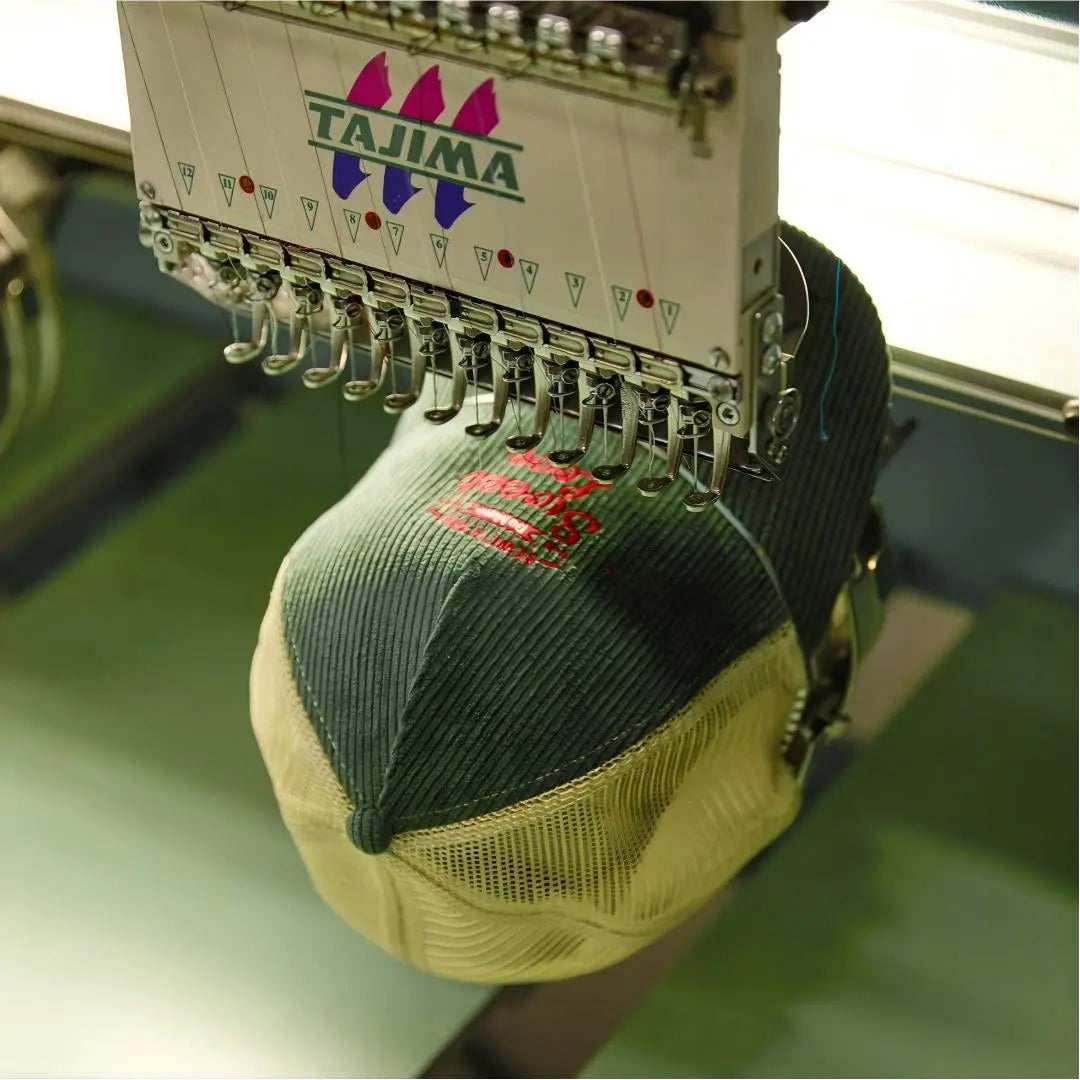
The first thing to assess when evaluating a custom hat manufacturer is actual production capability — not just what's listed on a website, but the real operational depth behind it. This means asking: how many product categories can they genuinely handle? Do they have the infrastructure to maintain consistent quality across styles as varied as structured caps and knitted beanies? Can they produce samples and move into bulk without handing your project off to a third party?
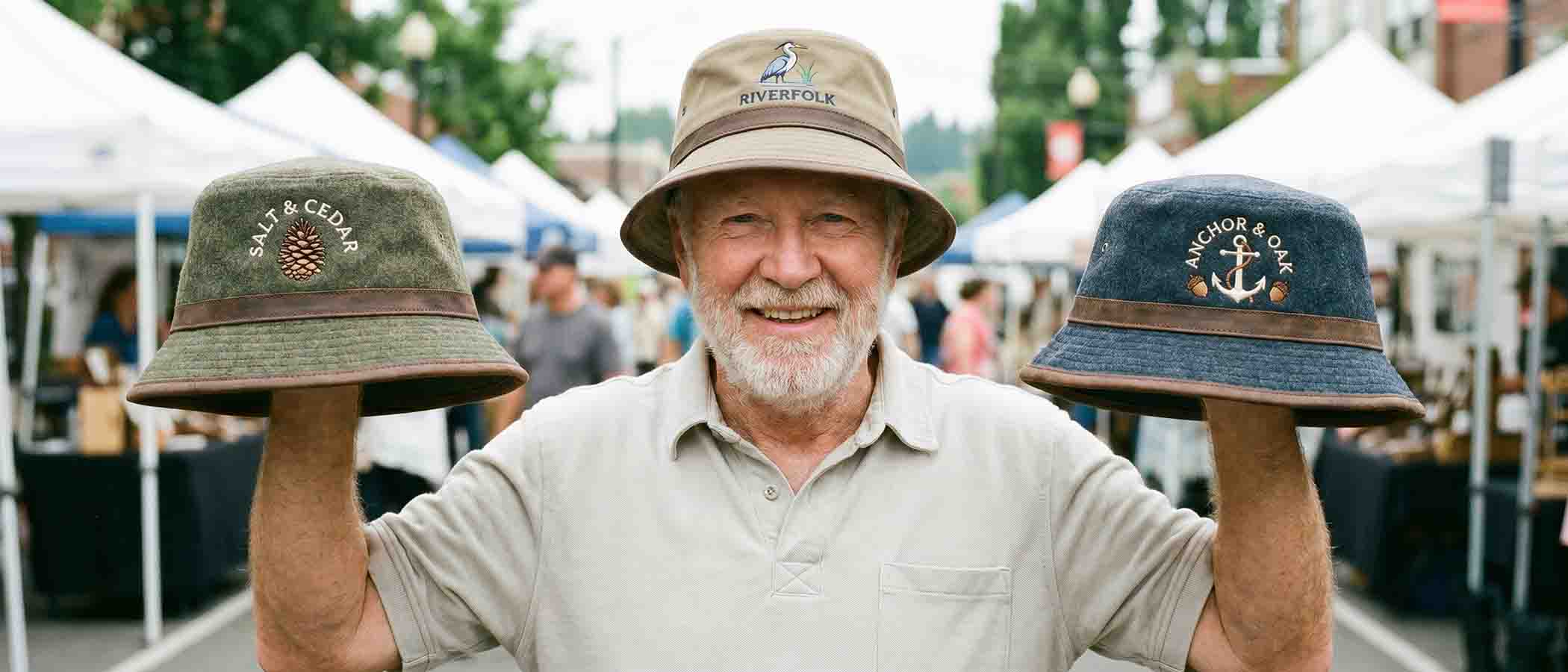
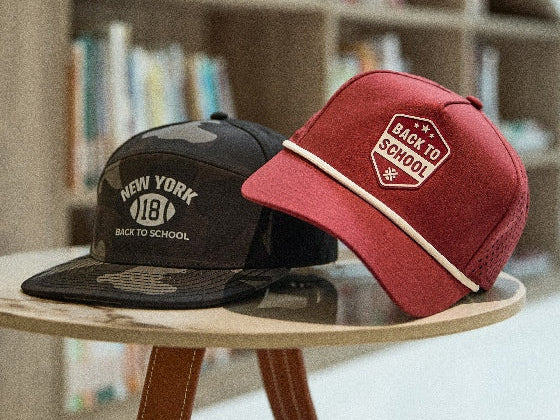
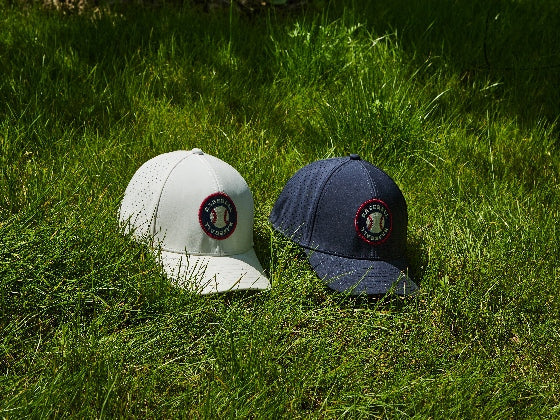
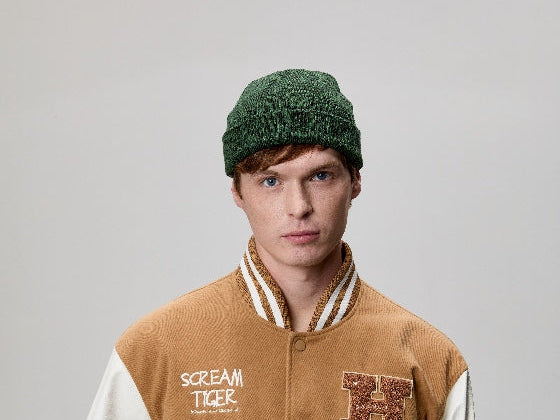
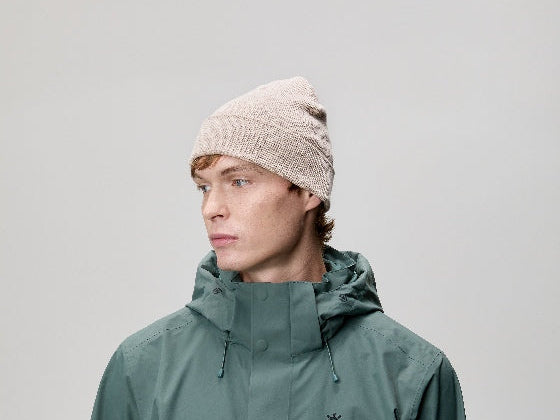
At Foremost Hat, founded in 1996 and operating 5 self-owned factories, the product range spans the full spectrum of headwear — from classic hats and dad hats to trucker hats, snapback caps, bucket hats, performance hats, beanies, and berets. Everything is produced within the company's own factory network — no outsourcing, no middlemen absorbing margin and introducing variability.
In-house design strength is equally important, and often underestimated by brands during supplier evaluation. Many factories can replicate a reference sample — far fewer can contribute creatively alongside your team, offering design input, material alternatives, and decoration technique recommendations that make your collection stronger. When evaluating any manufacturer, ask whether they offer free design support, and whether you need to provide finished artwork or if they can develop from a rough concept. At Foremost Hat, the answer to both is clear: the team provides free design and mockup services, even if you don't have finished artwork ready to submit.
Quality Control Systems and Certifications

Quality is where most sourcing relationships succeed or fail over time. A manufacturer can look great in early communications and then deliver batches with inconsistent colorways, structural defects, or material deviations that your end customers notice immediately. This is why you need to understand not just whether a manufacturer "does QC," but what systems they actually have in place — and how those systems are verified by independent third parties.
Certifications are the most reliable proxy for verified quality and compliance standards. For brands selling into the European market, the following certifications are particularly worth looking for in a custom hat manufacturer:
- Amfori BSCI — audits labor standards, working conditions, and social compliance throughout the supply chain
- GOTS (Global Organic Textile Standard) — certifies that organic fiber claims are genuine and that processing meets strict environmental and social criteria
- GRS (Global Recycled Standard) — verifies the recycled content in materials and the social and environmental practices used in production
- RWS (Responsible Wool Standard) — ensures wool is sourced from farms that meet defined animal welfare and land management standards
Foremost Hat holds all four of these certifications — BSCI, GOTS, GRS, and RWS — all of which are detailed and verifiable on the Sustainability pages of foremosthat.eu. This matters practically for two reasons: first, it gives you documentary backing for any sustainability claims your brand makes about its products; second, as EU regulations on traceability and responsible sourcing continue to tighten, working with a certified manufacturer keeps you ahead of compliance requirements rather than scrambling to catch up.
The eco-friendly hat collection available through foremosthat.eu covers certified organic beanies, recycled beanies, and RWS-certified wool beanies — giving brands genuine, certified sustainable options rather than unverifiable green claims.
Lead Time Reliability and Supply Chain Transparency

In retail, timing is revenue. A delayed sample, a missed seasonal window, a last-minute production issue with no proactive communication — none of these are just inconveniences. When evaluating any manufacturer, ask for specific lead time commitments, not vague ranges. A supplier who knows their own process will give you real numbers without hesitation.
Supply chain transparency is equally critical — especially for European brands navigating tightening EU due diligence regulations. A manufacturer who can't trace their materials to certified sources is a compliance liability. Foremost Hat's Supply Chain page is a useful reference for what genuine transparency looks like. On the logistics side, over 180,000 hats are held in stock across warehouses in the USA, UK, Germany, and China — for EU brands, the 6,200m² German warehouse means faster replenishment and no import friction on local deliveries.
Communication Efficiency and Long-Term Partnership Potential

Every supplier sounds great in the first email exchange. Communication quality only reveals itself when the relationship is under pressure — when there's a spec discrepancy on a sample, when a shipment is delayed, or when you need a rapid turnaround on a revised quote. These moments are where the real difference between a partner and a vendor becomes clear.
Foremost Hat commits to responding within 1 hour during business hours, reachable at support@foremosthat.eu. The customization process is built for efficiency: choose a style, get in touch, receive a free mockup and quote, then move through sample approval into bulk production. And if you don't have finished artwork, the design team works from your concept — no external design agency needed.
Long-term partnership potential goes beyond good communication. It means the manufacturer has the commercial structure to grow with you — tiered pricing that rewards volume, wholesale account options, and formal distributor programs for brands seeking deeper integration. Foremost Hat offers volume-based pricing with clear tiered discounts, wholesale account registration, and a distributor partnership program for brands and agencies looking to build a sustained commercial relationship with the factory.
Factory Visit or Remote Evaluation? How to Verify a Custom Hat Manufacturer at Different Stages

The right verification approach depends on where you are in the supplier relationship. For initial due diligence — when you're comparing multiple suppliers and haven't committed to any — remote evaluation is entirely appropriate and, done well, gives you enough information to make a confident short-list decision.
For a thorough remote evaluation:
- Request the manufacturer's full certification documentation and verify each one against the issuing body — BSCI via Amfori's platform, GOTS via the GOTS database, GRS via Textile Exchange. A manufacturer with genuine certifications will have no hesitation providing these.
- Order a sample before any bulk commitment. For foremosthat.eu, sample orders are available for a small fee — a small investment that lets you physically evaluate stitching quality, material weight and feel, color accuracy, and label finish before you commit to a large order. The contact page is the starting point for initiating a sample request.
- Check whether the website itself is transparent about the things that matter — production locations, MOQ structure, certification claims, lead times, and pricing approach. A manufacturer that is open about all of these at the browsing stage is demonstrating operational confidence. Opacity in any of these areas is worth probing further before committing.
For factory visits — typically appropriate when order volumes are significant or when you're moving into a fully custom hat program:
- Walk the actual production floor, not just the showroom. Observe quality control checkpoints in operation, not just in documentation. Meet the team who will actually manage your account day to day. And verify that the certifications displayed on the wall correspond to the facilities you're physically standing in — a surprisingly common discrepancy at facilities that outsource production.
What European Brands Most Often Overlook When Choosing a Custom Hat Manufacturer

European brands are generally sophisticated buyers, but a few blind spots consistently appear in supplier evaluations — especially for teams approaching their first or second overseas manufacturing relationship.
1. Overlooking EU-based stock.
Over 180,000 hats sit ready to ship from a 6,200m² warehouse in Germany — meaning faster replenishment, no import friction, and no minimum production run every time you reorder. See shipping options for details.
2. Treating certifications as optional.
EU due diligence regulations are tightening, not loosening. A manufacturer without BSCI, GOTS, or GRS certification may cost less upfront, but the compliance exposure compounds over time. Choosing a certified manufacturer is a risk management call.
3. Misreading low MOQ as low capability.
At Foremost Hat, blank hats have no MOQ, logo customization starts at 1 piece, and fully custom hats start at 1,000 pieces. That flexibility comes from factory scale and stock depth — not limited capacity. See the FAQ for the full MOQ structure.
4. Defaulting to embroidery without exploring other options.
Embroidery, print, and patch each suit different materials and design complexities. Check the full decoration options before committing to a technique.
5. Ignoring application-specific needs.
Golf, fishing, running, and corporate merchandise each have distinct product requirements. Foremost Hat's EU site has dedicated customization guidance for golf clubs, fishing and outdoor, running, and corporate teams.
❓FAQ What Brands Most Often Ask When Evaluating a Custom Hat Manufacturer
Can I get a sample before placing a bulk order?
Yes, and it's strongly recommended — particularly for any custom project. Foremost Hat offers sample orders for a small fee. This gives you the opportunity to evaluate the actual product — stitching, material weight, color accuracy, label finish — before committing to a bulk production run.
Which European countries do you ship to?
Foremost Hat's EU website ships to a broad range of European countries including Germany, France, Italy, Spain, Netherlands, Belgium, Poland, Denmark, Sweden, Portugal, Austria, Finland, Czech Republic, Romania, Norway, Switzerland, Slovakia, Greece, Hungary, and Ireland, among others. Orders over 100 pieces qualify for free delivery.
What payment methods are accepted?
Foremost Hat accepts PayPal, Apple Pay, Google Pay, Klarna, and major credit cards including Visa, Mastercard, American Express, Maestro, Diners Club, Discover, and JCB. For orders of 480 pieces or more, flexible payment arrangements may be available — contact support@foremosthat.eu for details.