



Europe is not one running climate — it's several, often within a few hours' drive of each other. A runner training in Seville in July faces almost nothing in common with a runner doing weekend miles in the Scottish Highlands or the Austrian Alps, yet both might reach for "a running cap" without stopping to ask whether the same cap should actually work for both. It shouldn't, and understanding why is the difference between gear that quietly does its job and gear you're constantly fighting against mid-run — pulling it off because it's too hot, or wishing you'd brought something warmer because it isn't doing enough.
🔽 Quick Navigation
- 📌 Why One Running Cap Doesn't Suit Every European Climate
- 📌 Running in Mediterranean and Southern European Heat
- 📌 Running in Oceanic and Central European Rain
- 📌 Running in Alpine and Cold-Continental Conditions
- 📌 Matching Cap Features to Your Climate Zone
- 📌 Conclusion
- ❓FAQ
Why One Running Cap Doesn't Suit Every European Climate
 According to the climate patterns across Europe, the continent breaks down into genuinely distinct zones: a Mediterranean climate across Southern Europe with hot, dry summers; an oceanic climate across much of Western Europe with mild, overcast, rain-prone conditions; and a humid continental climate across Central and Eastern Europe with cold winters and warm summers. Add Alpine and mountain microclimates on top of that, and it becomes clear why a running cap for hot weather and a running cap for cold weather are solving genuinely different problems, not just cosmetic variations on the same product.
For runners who train across regions, or for brands and clubs sourcing headwear for members spread across different parts of Europe, this matters well beyond comfort. Fit, fabric weight, ventilation, and water resistance all need to match the conditions a cap will actually face, rather than defaulting to whichever cap happens to be on the shelf.
Running in Mediterranean and Southern European Heat

Summer running across Spain, Italy, Greece, and southern France means dealing with intense, prolonged sun exposure and heat that builds through the morning rather than easing off. In these conditions, the priority shifts almost entirely to heat management: maximum breathability, genuine UV protection, and a cap light enough that it doesn't add to the thermal load your body is already managing.
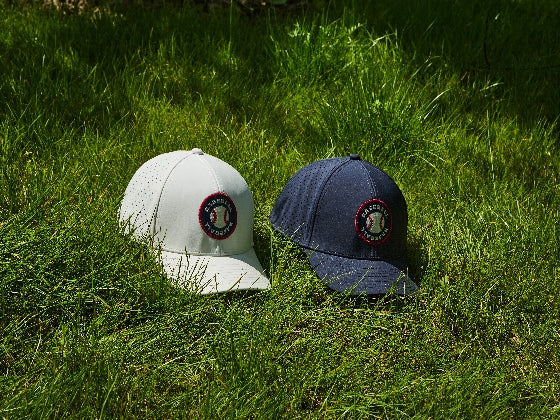
A summer running cap built for this climate needs laser-cut ventilation to keep air moving across the scalp, and ideally some form of active cooling sensation in the fabric itself rather than relying on ventilation alone. Our foldable, quick-dry running cap was built with exactly this kind of heat in mind — at just 44 grams, with laser-perforated panels, UV protection, and a cooling sensation finish, it's designed to stay out of the way during long, hot-weather sessions rather than adding to the discomfort. Its foldable construction is also genuinely useful here, since many Mediterranean runners train early or late in the day to avoid peak heat, meaning the cap often needs to be packed away rather than worn for an entire session.
Colour choice matters more in this climate than most runners realise, too. Lighter shades reflect more heat and stay noticeably cooler under direct midday sun than darker colours, which is worth factoring in alongside fabric technology when sourcing or choosing caps specifically for southern European conditions. Weight matters just as much: every extra gram becomes more noticeable as body temperature climbs through a summer session, which is part of why the lightest constructions available tend to perform best once temperatures move into the high twenties and above.
Running in Oceanic and Central European Rain

Much of Western and Central Europe — the UK, Ireland, the Benelux countries, northern France, and Germany — deals with a different problem entirely: not extreme heat, but frequent, often unpredictable rain and overcast, humid conditions across most of the year. A running cap for rainy weather needs to prioritise water resistance and moisture management over pure ventilation, since the challenge here isn't heat buildup but staying dry and comfortable through changeable conditions.
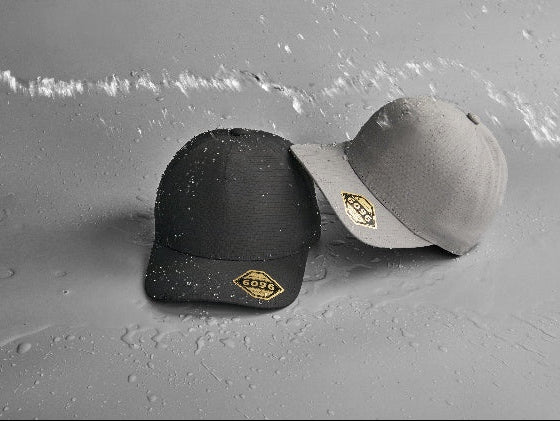
This is where a water-repellent, seamless construction earns its place. Our seamless, perforated running cap combines water-repellent fabric with moisture-wicking performance, which matters specifically in oceanic climates where a run might start dry and end in drizzle without much warning. The seamless build also removes stitched panels that can hold water and become uncomfortable once genuinely wet, which is a more common scenario across a UK or Irish winter than most runners in drier climates ever have to think about.
It's also worth noting that oceanic climates rarely bring extreme cold in the way continental or Alpine regions do, thanks largely to the moderating effect of the Gulf Stream along Europe's western coasts. That means the main design challenge here isn't warmth so much as consistency — a cap that performs the same way whether a session starts under grey skies at 8°C or finishes in a light shower an hour later, without the fabric becoming heavy or the fit changing once it's wet.
Running in Alpine and Cold-Continental Conditions

Central-Eastern Europe's humid continental climate, along with Alpine regions across Austria, Switzerland, and northern Italy, brings a third distinct challenge: genuinely cold temperatures, wind chill at altitude, and training conditions where a lightweight summer cap simply isn't enough on its own. Below a certain temperature, sun protection and breathability stop being the priority, and warmth and wind resistance take over.
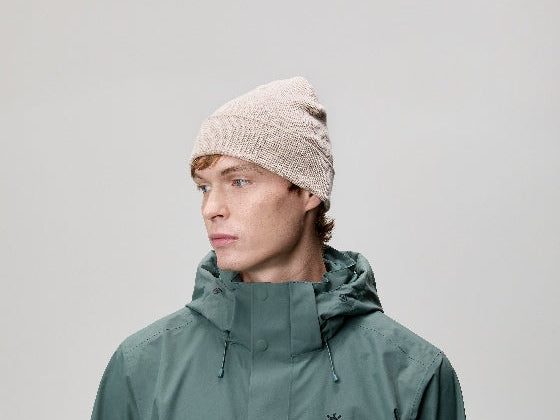
For this climate, the smarter approach is usually layering rather than expecting a single cap to do everything. A lightweight running cap can still play a role by keeping direct sun and glare off snow or ice-covered terrain, since UV exposure at altitude is often more intense than at sea level, but it typically needs to be paired with an ear-covering layer — a headband or a knit beanie — for genuinely cold sessions. Runners training through an Alpine winter often keep both in rotation rather than trying to find one cap that covers a 30-degree temperature range across the year.
Central and Eastern Europe's humid continental climate adds another wrinkle: unlike Alpine regions, where cold is fairly constant through winter, continental climates swing hard between seasons, with genuinely hot, humid summers followed by cold, often snow-covered winters. That seasonal swing means the same runner in Warsaw, Budapest, or Vienna may need something closer to the Mediterranean setup in July and something closer to the Alpine approach in January — which is really a reminder that climate-appropriate gear isn't a one-time decision so much as something that shifts through the year even within a single training location.
Matching Cap Features to Your Climate Zone

The table below breaks down what actually matters most in each of Europe's main running climates, as a practical starting point rather than a rigid rule. Local conditions, elevation, and personal tolerance for heat or cold will always shift the details slightly, but the broad priorities tend to hold across each zone.
|
Climate Zone |
Typical Conditions |
Priority Cap Features |
|
Mediterranean / Southern Europe |
Hot, dry, intense sun, minimal rain |
Maximum breathability, UV protection, lightweight, foldable |
|
Oceanic / Western Europe |
Mild, frequently wet, overcast, changeable |
Water-repellent, seamless construction, quick-drying |
|
Humid Continental / Central-Eastern Europe |
Hot summers, cold winters, wider temperature swings |
Season-specific — lightweight in summer, layered with warm headwear in winter |
|
Alpine / Mountain |
Cold, windy, high-altitude UV, variable by season |
Wind resistance and warmth in winter; UV protection at altitude year-round |
For running clubs, event organisers, and sports brands sourcing headwear across multiple European markets, it's worth thinking about climate zone as seriously as branding when deciding what to stock or order. A club with members training in both southern Spain and the Alps genuinely has two different problems to solve, not one — and treating them identically usually means one group ends up compromising on comfort. It's worth exploring running-specific sourcing options built for European brands and events that can accommodate different climate-driven specifications under the same branding, rather than forcing every member into identical gear regardless of where they actually train. Our broader performance hats range reflects this same logic, offering different constructions suited to different conditions rather than a single generic performance cap trying to do every job at once.
Conclusion
Treating "running cap" as a single, interchangeable category makes sense in a shop, but not on the road. Southern European heat calls for maximum breathability, UV protection, and light, foldable construction. Western Europe's oceanic rain calls for water resistance and a seamless, quick-drying build. Central and Eastern Europe's swinging seasons call for a genuinely different approach in summer versus winter, and Alpine conditions call for layering rather than relying on a single cap alone. Matching the cap to the climate you're actually training in — not just the season on the calendar, and not just whatever happens to be closest to hand — is a small decision that pays off every time you head out the door.
❓FAQ
Q1: Do I need different running caps for summer and winter in Europe?
In most of Europe, yes — a lightweight, breathable cap suited to summer heat rarely performs well in cold, windy winter conditions, and vice versa.
Q2: What running cap features matter most in Mediterranean heat?
Breathability, genuine UV protection, and lightweight, foldable construction matter most, since heat management is the main challenge rather than rain or cold.
Q3: Is a running cap enough for cold Alpine training, or do I need something warmer?
A lightweight cap alone usually isn't enough below a certain temperature — most runners pair it with an ear-covering layer like a headband or beanie once conditions turn genuinely cold.
Q4: Why does a running cap need to be water-repellent in places like the UK or Ireland?
Oceanic climates see frequent, often unpredictable rain, so a water-repellent, seamless cap stays comfortable through changeable conditions rather than becoming heavy and uncomfortable once wet.