
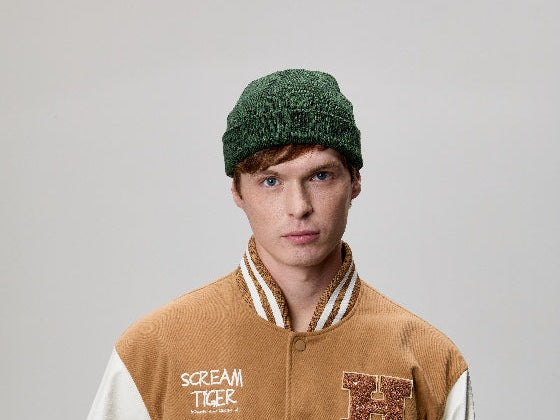
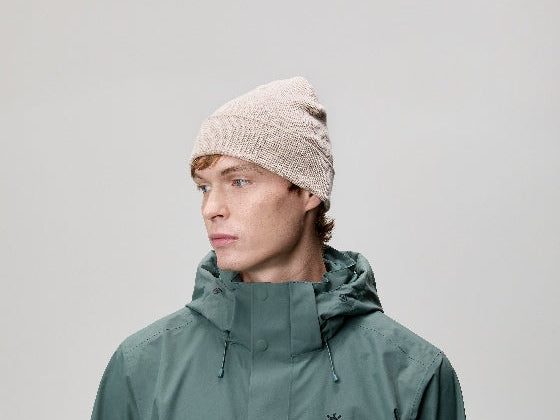

Every major race weekend across Europe involves a logistics chain most runners never think about: someone had to decide what the finisher gear looks like, order it months in advance, and make sure it actually arrived on time. If you're the person behind that decision — organizing a marathon, running a club, or building a running-focused brand — sourcing custom running caps is a very different process from simply picking a style off a shelf. Here's what actually matters when you're the one placing the order.
🔽 Quick Navigation
- 📌 Why Sourcing Decisions Matter for Marathon and Club Events
- 📌 Private Label vs Off-the-Shelf Running Caps
- 📌 What to Look for in a Running Cap Supplier
- 📌 Brand Decoration and Manufacturing Options
- 📌 Certification Standards and Ethical Sourcing
- 📌 Planning the Production Timeline Around the Event Calendar
- 📌 Conclusion
- ❓FAQ
Why Sourcing Decisions Matter for Marathon and Club Events

Running events have grown considerably across Europe in recent years, from major city marathons to smaller regional races and community running clubs, and branded headwear has become a standard part of that experience — for marathons specifically, a finisher cap or event cap is often as memorable to participants as the medal itself. Getting the sourcing right affects far more than aesthetics: fabric performance, fit consistency across a large order, and delivery timing all directly affect how the gear performs on race day and how it's remembered afterward.
Private Label vs Off-the-Shelf Running Caps

The first real decision is whether you need a fully private label running cap — built around your own branding, colourway, and sometimes even fabric specification — or an off-the-shelf performance cap decorated with your logo. Off-the-shelf decoration is faster and typically cheaper for smaller orders, while private label sourcing gives clubs, event organizers, and sports brands more control over the finished product, from the exact shade of a team colour to specific technical features like brim length or ventilation placement. For running-specific projects, it's worth looking at running-focused custom sourcing built specifically around event and club use cases, rather than a general promotional headwear process designed for one-off giveaways that happens to also offer a running cap as one option among dozens.
The scale of the order often decides this for you in practice. A small local club ordering fifty caps for its members will usually find off-the-shelf decoration more practical and cost-effective, while a city marathon ordering several thousand finisher caps has both the volume and the branding stakes to justify a private label approach built specifically around the event.
What to Look for in a Running Cap Supplier

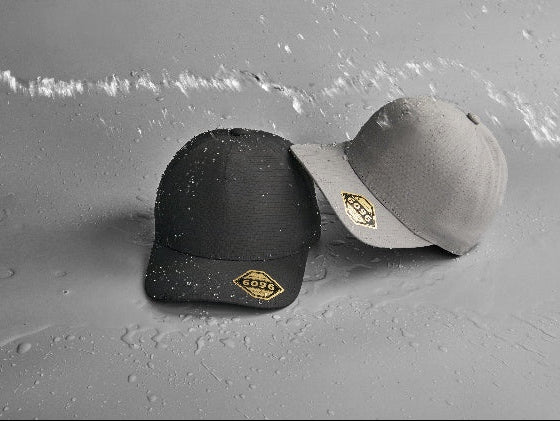
Not every headwear supplier truly has the capability to handle performance fabrics, and this is exactly where sourcing decisions can easily go wrong without buyers realizing it. A qualified running cap manufacturer should be able to specifically discuss moisture-wicking performance, breathable structures such as mesh panels or laser perforation, and weight control. These details matter far more for a cap designed to be worn continuously for two or three hours than for a standard promotional cap handed out at a trade show. A seamless lightweight running cap designed for performance use provides a good reference, showing what product specifications should look like when a cap is truly developed around running scenarios rather than simply adding a logo to a basic hat.
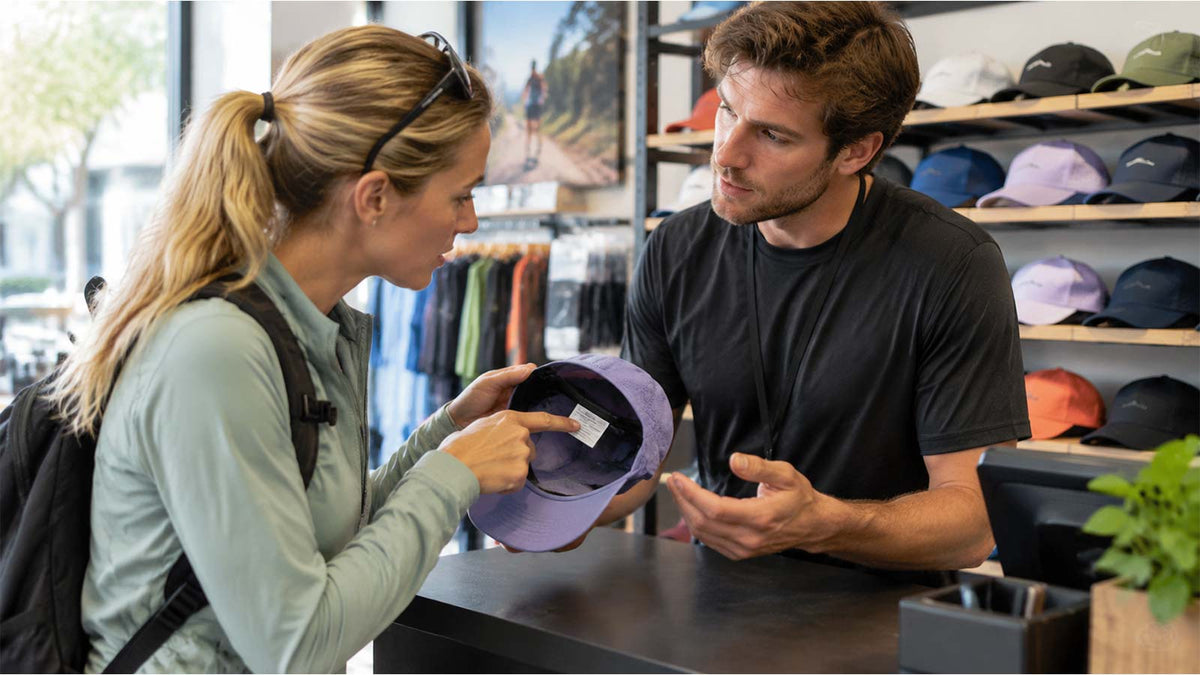
It is also important to ask suppliers how many genuine custom running cap projects they have completed and request real examples from marathons or running clubs, rather than assuming general headwear experience can be directly applied. A supplier that specializes in structured baseball caps or knit hats may not fully understand the material and construction requirements needed for a running cap to withstand hours of continuous wear. Requesting physical samples is recommended so you can evaluate wearing pressure, breathability, and stability during movement.
Brand Decoration and Manufacturing Options
Once the basic cap style is confirmed, decoration methods become the key element that expresses a club or event’s identity.
- Embroidery is highly durable even after repeated washing, making it ideal for products expected to remain in use long after race day. Flat embroidery works well for simple logos, while 3D embroidery provides stronger dimension but is not suitable for extremely fine lettering.
- DTF heat transfer printing is better suited for detailed, colorful designs and also offers a lower cost per piece.
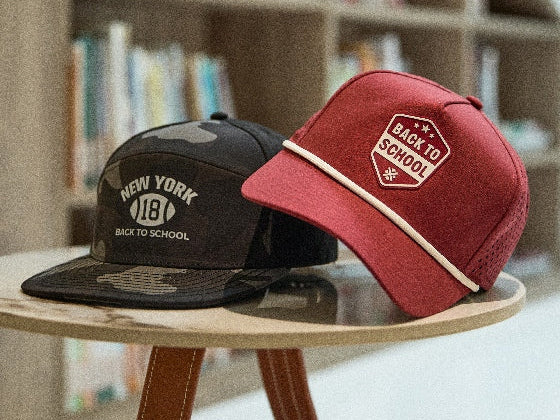
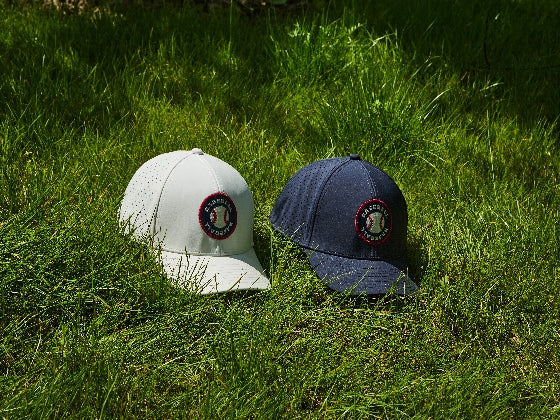
- Woven patches create a more eye-catching and three-dimensional appearance, making them suitable for brands that want to stand out. However, the edge finishing should be checked carefully to prevent lifting after washing.
The right choice usually depends on how the cap will be used afterward. A one-time event souvenir cap and a running club training cap designed to withstand repeated washing throughout an entire season require completely different decoration priorities. Performance fabrics also have specific requirements for printing and embroidery parameters, so physical samples using the actual fabric should be requested before production rather than relying only on digital mockups.
Certification Standards and Ethical Sourcing

For more brands and organizations that are becoming responsible for their supply chains, certifications are no longer a minor detail, especially when targeting the EU market where supply chain due diligence requirements are becoming increasingly important. Independent social responsibility audit systems such as amfori BSCI can verify whether factories meet defined labor rights and workplace standards, allowing buyers to address sourcing concerns with specific evidence rather than general assurances.
When sourcing sustainable running caps made with recycled materials, suppliers should be able to provide the relevant GRS (Global Recycled Standard) transaction certificates for each batch to reduce the risk of greenwashing. It is worth directly asking potential suppliers which certifications apply to their production facilities and reviewing their supply chain transparency information, rather than relying only on a single sustainability statement in a product description.
Planning the Production Timeline Around the Event Calendar

Custom production requires real time investment. Sample development and revisions, approval, mass production, factory quality inspection, and international shipping all need to be planned around a fixed event date. Unlike regular retail purchases, event dates cannot easily be postponed. Many sourcing problems happen because buyers underestimate the full production timeline and only begin contacting suppliers shortly before the event, forcing them to compromise on quality.
A practical rule for any event planning schedule is to finalize designs and place orders at least two to three months in advance, while leaving additional time for possible sample revisions. If the supplier is located outside the event country, extra time should also be reserved for international shipping and customs delays. Corporate orders for employees, volunteers, or sponsors follow a similar timeline. Even for a sporting event, it is worth referencing the scheduling process used for corporate and team custom projects as a planning benchmark. It is recommended to confirm the latest shipping date in writing, define quality inspection standards, and establish procedures for handling defective products to reduce delivery risks.
Conclusion
Sourcing custom running caps for a marathon, club, or sports brand is a fundamentally different process from buying a single cap off a shelf. Getting it right means deciding early between private label and off-the-shelf decoration, vetting suppliers on genuine performance fabric knowledge rather than general headwear experience, treating sample approval as essential, choosing decoration methods that match how the cap will actually be used, checking real certifications rather than vague claims, and building a timeline with enough buffer for the unexpected. Get those pieces right, and the finisher cap or club cap that shows up on race day will actually hold up to what it's asked to do.
❓FAQ
Q1: What's the difference between private label and off-the-shelf running caps?
Private label sourcing gives full control over branding, colourway, and sometimes fabric specification, while off-the-shelf caps are decorated with a logo on an existing base design — faster and typically cheaper for smaller orders.
Q2: How far in advance should we order custom running caps for an event?
As a general guide, finalize designs and place orders at least two to three months before the event date to allow time for sample approval, production, and shipping buffers.
Q3: Is embroidery or printing better for a running club's branded cap?
Embroidery generally holds up better over repeated washing, making it a stronger choice for everyday training gear, while printing suits detailed, multi-colour designs at a lower cost per unit.
Q4: Why does minimum order quantity matter for smaller running clubs?
Suppliers with high minimums can make custom gear impractical for a small club or single event, so it's worth confirming MOQ policy early rather than after a design is already finalized.