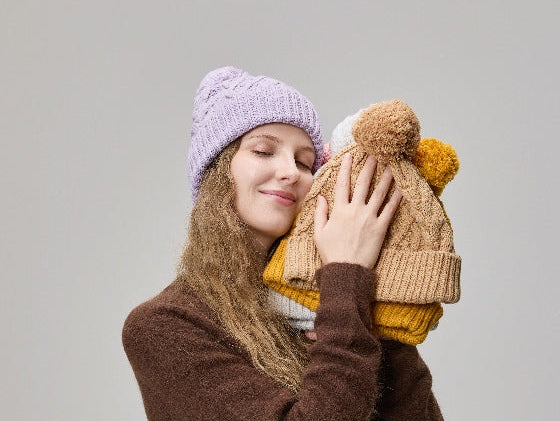
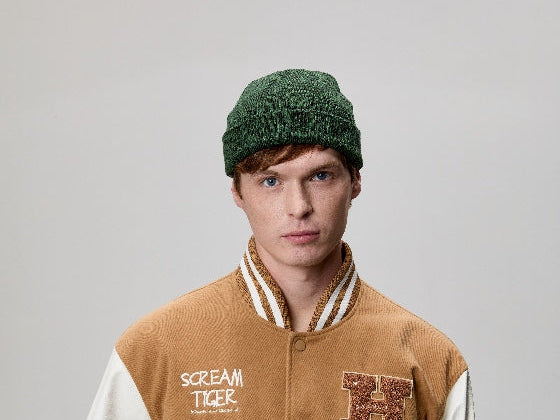
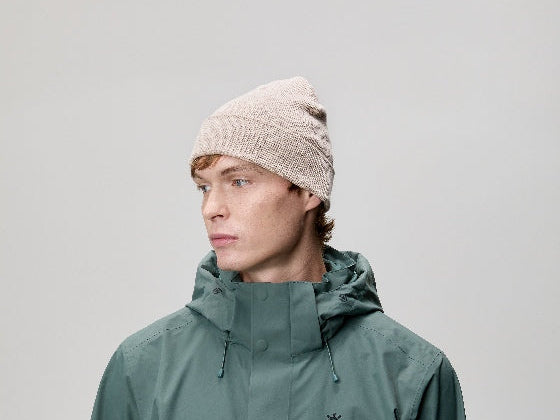

Once a silhouette is locked in, the next decision determines how the beanie actually performs — and how premium it feels the moment someone puts it on. Material isn't just a spec sheet line item. It's the difference between a beanie that gets worn all winter and one that ends up in a drawer after the second wear. This guide breaks down the real trade-offs between the most common beanie materials, so you can choose based on how the beanie needs to perform, not just how it looks in a product photo.
🔽 Quick Navigation
- 📌 Why Material Is the Most Functional Decision You'll Make
- 📌 Wool vs Acrylic Beanies: The Core Trade-Off Everyone Faces
- 📌 Merino Wool and Premium Comfort
- 📌 Acrylic and Blended Yarns for Everyday Versatility
- 📌 The Comfort Layer: Satin Linings and Skin-Friendly Finishes
- 📌 Matching Material to Climate and Use Case
- 📌 Match Knit Hat Materials to Climate, Budget and Audience
- ❓FAQ
Why Material Is the Most Functional Decision You'll Make

Style tells people what your brand looks like. Material tells them what it feels like to actually wear it — and that's the part that drives repeat use, reviews, and reorders. Three factors matter most when evaluating beanie material: warmth, comfort against the skin, and how "premium" the fabric feels in hand. Getting these right is what separates a beanie people wear once for a photo and one they reach for every cold morning.
Wool vs Acrylic Beanies: The Core Trade-Off Everyone Faces

This is the single most common comparison buyers search for, and for good reason — it's the real decision point for most orders.
Wool beanies are prized for natural insulation. Wool fiber traps air pockets that hold in body heat, and it continues to insulate even when damp, which is why wool remains the standard choice for genuinely cold, outdoor, or high-altitude conditions. It also has a natural, premium hand-feel that reads as higher quality the moment someone touches it — useful if your brand is positioned at the premium end of the market.
Acrylic beanies, by contrast, are the practical workhorse of custom headwear. Modern acrylic yarn is engineered to mimic wool's warmth using fluffy, curled fibers that trap heat effectively — in many cases performing close to wool for everyday winter use, at a lower cost and with far more consistent dyeing across large production runs. Acrylic also holds bold, saturated colors better than wool, which matters if your brand relies on precise color matching across a big order.
Neither material is objectively "better" — the right call depends on climate, budget, and how the beanie will actually be used. A ski resort or outdoor brand ordering for genuinely cold conditions usually leans wool. A brand ordering colorful, budget-conscious beanies for a marketing giveaway usually leans acrylic.
Merino Wool and Premium Comfort

For brands that want the insulation benefits of wool without the itch some people associate with traditional wool, merino wool is worth knowing about specifically. Merino fiber is finer than standard wool, which makes it noticeably softer against the skin while keeping wool's core advantages — insulation that holds up even when the fabric gets damp, and natural moisture regulation that keeps the head from feeling clammy during activity. It's a common upgrade pick for brands moving from a standard acrylic line into a more premium retail or gifting tier.
Acrylic and Blended Yarns for Everyday Versatility
Blended yarns — combining a percentage of wool with acrylic — are increasingly common because they balance the two materials' strengths: some of wool's natural warmth and texture, with acrylic's easier care, more stable pricing, and more consistent color output across a production run. If your order needs to hit a specific budget while still avoiding a purely synthetic feel, a wool-acrylic blend is often the practical middle ground worth asking your manufacturer about.
The Comfort Layer: Satin Linings and Skin-Friendly Finishes

Material choice isn't only about the outer knit — what touches the scalp directly matters just as much, especially for anyone wearing the beanie for extended periods or over textured hair. A satin lining reduces friction against hair and skin, which cuts down on frizz, breakage, and the itchiness some wearers associate with wool or heavier acrylic knits. It's a detail that rarely shows up in a product photo but shows up immediately in customer feedback and reorder rates. Satin Lined Beanies is worth a look if comfort and all-day wearability are a priority for your audience, particularly for retail lines or gifting programs where the unboxing experience matters.
Matching Material to Climate and Use Case
- Genuinely cold, outdoor, high-altitude use → wool or merino wool, for insulation that holds up even when damp.
- Everyday winter wear in moderate climates → acrylic or a wool-acrylic blend, for reliable warmth at a lower cost.
- Sensitive skin, textured hair, or all-day wear → a satin-lined interior, regardless of the outer knit material.
- Large batch orders needing exact, consistent color → acrylic, which takes dye more predictably than natural wool across production runs.
- Premium retail or gifting positioning → merino wool or a wool-satin combination, where the hand-feel reinforces perceived quality.
Match Knit Hat Materials to Climate, Budget and Audience
Warmth, comfort, and perceived quality all trace back to one decision: what the beanie is actually made from. Wool and merino wool deliver genuine cold-weather insulation and a premium hand-feel; acrylic and wool-acrylic blends deliver reliable everyday warmth with easier care and more consistent color output at scale; and a satin lining solves for comfort against skin and hair regardless of which outer material you choose. There's no universally "best" material — only the one that matches your climate, budget, and audience. Get this decision right, and everything downstream — logo application, packaging, even how the product photographs — performs better too.
❓FAQs
Q1: Is wool or acrylic warmer for a beanie?
Wool has the edge in genuinely cold or wet conditions because it keeps insulating even when damp. Modern acrylic yarn is engineered to trap heat effectively too, and for everyday winter use in moderate climates, the difference is often smaller than people expect.
Q2: What is the warmest beanie material for extreme cold?
Wool, and specifically merino wool, is generally the top choice for extreme cold or high-altitude use, since it retains insulating properties even in wet or windy conditions.
Q3: Is merino wool worth it over regular wool?
If softness against the skin is a priority, yes — merino fiber is finer than standard wool, so it feels less itchy while keeping wool's warmth and moisture-regulating properties.
Q4: Why do some beanies have a satin lining?
A satin lining reduces friction against hair and skin, which helps prevent frizz and irritation — especially useful for people with textured hair or sensitive skin who wear the beanie for extended periods.