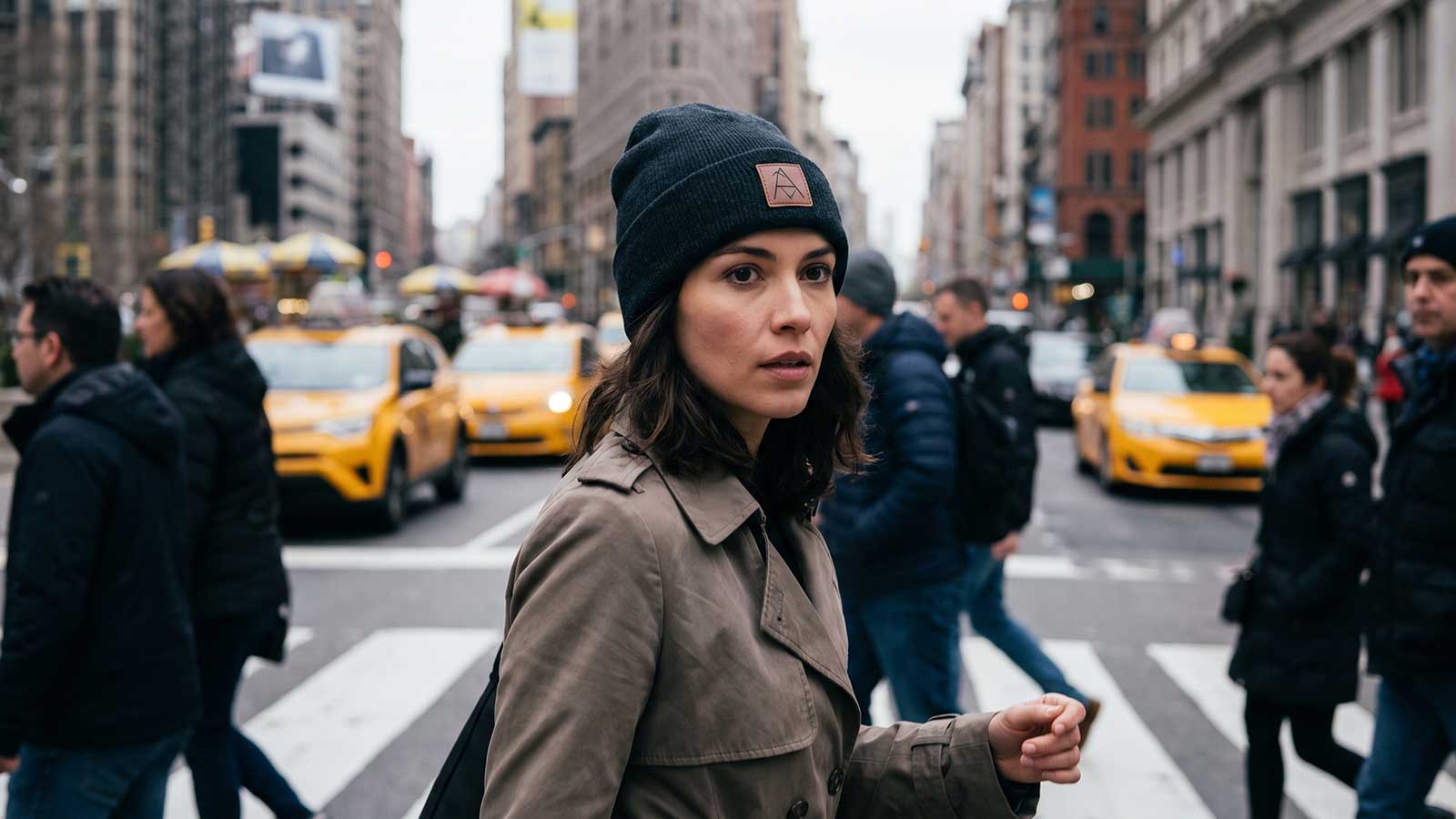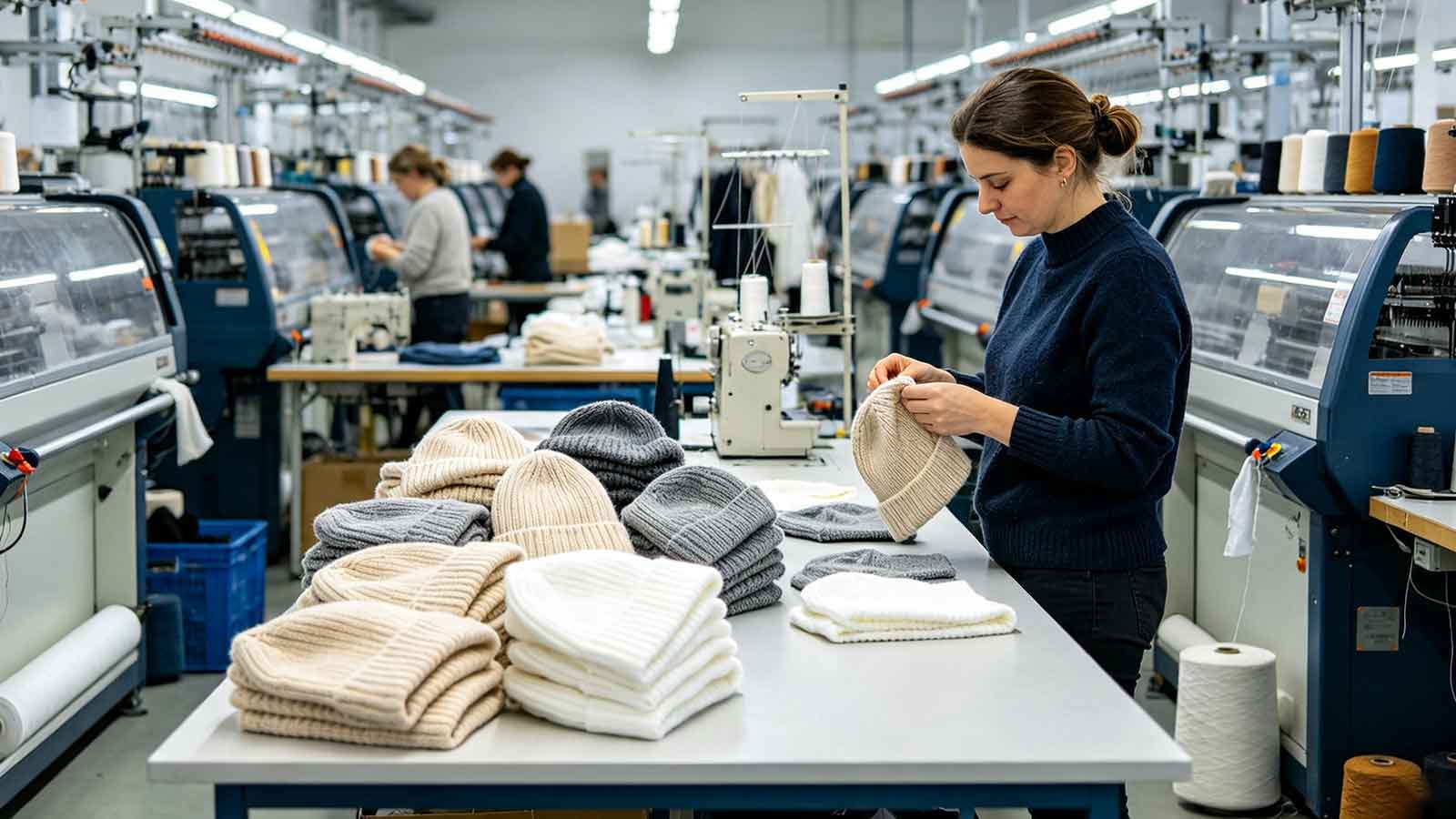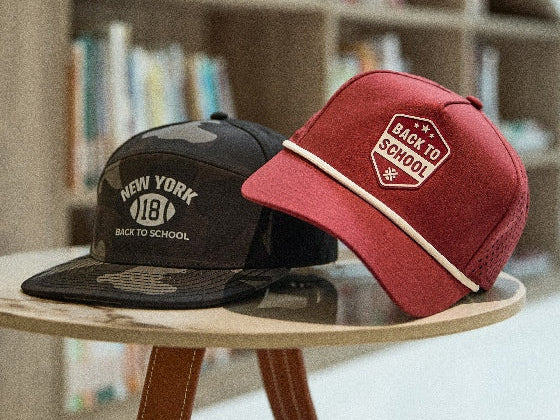
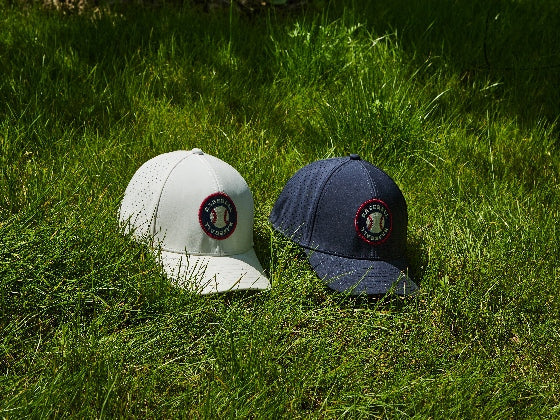
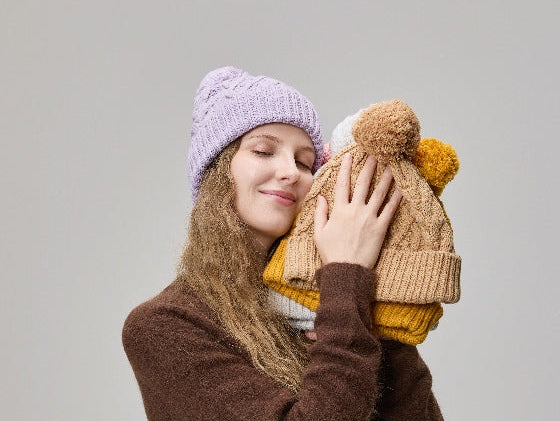
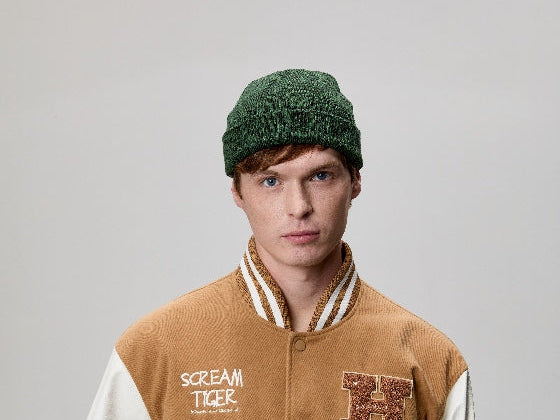
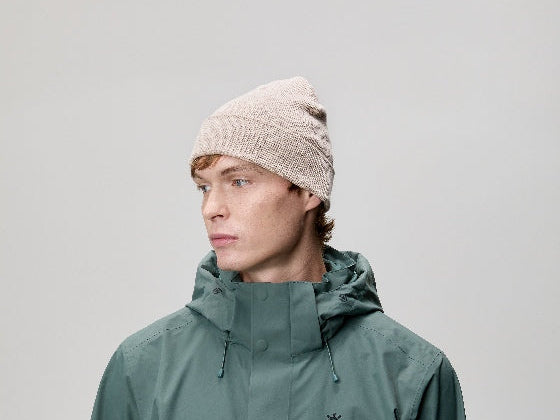

A custom beanie looks simple from the outside — a knit shape, a logo, done. In practice, it's a stack of small decisions, and each one changes how the finished product looks, feels, and performs: which silhouette, which fibre, which logo method, which colour placement, whether sustainability matters to your customers, and how to order without overcommitting on your first run.
🔽 Quick Navigation
- 📌 What Is a Custom Beanie? Why Do Brands and Teams Need Branded Beanies?
- 📌 How Do You Choose the Right Custom Beanie Style for Your Brand?
- 📌 How Do You Choose Materials for a Custom Beanie?
- 📌 What Logo Methods Are Available for Custom Beanies, and How Do You Choose?
- 📌 How Do You Design a Custom Beanie with Strong Brand Recognition?
- 📌 Why Are Eco-Friendly Materials and Sustainable Customisation Increasingly Important?
- 📌 What Is the Ordering Process for Custom Beanies?
- 📌 Conclusion: Start Your Custom Beanie Project
- ❓FAQ
What Is a Custom Beanie? Why Do Brands and Teams Need Branded Beanies?

A custom beanie is simply a knit hat produced or decorated to a brand's own specification — its own colours, its own logo, sometimes its own knit pattern from scratch. What makes beanies such a popular branding product isn't the concept, it's the range of people who order one: small brands testing a first design, corporate teams outfitting staff, outdoor and lifestyle labels rounding out a retail line, event agencies branding a single date, and wholesalers stocking for resale.
Each buyer type needs something slightly different — a start-up cares about low risk and small batches, a corporate team cares about consistency across hundreds of units, an agency cares about turnaround speed. Recognising which category your project falls into early makes every decision from here — style, material, budget — considerably easier to get right the first time.
Custom Beanies Complete Guide: Who Are Custom Beanies Best For?
From small brands testing their first design to distributors managing repeat container loads — five real buyer profiles and what each one should prioritise.
How Do You Choose the Right Custom Beanie Style for Your Brand?

Style is the first signal a beanie sends, before anyone even notices the logo. A structured, cuffed knit reads clean and corporate. A slouchy, oversized knit reads casual and streetwear-adjacent. A fisherman beanie borrows from workwear and outdoor heritage. None is objectively better — the right one depends on who's wearing it, where, and what the rest of your product line already looks like.
Fit matters just as much as shape: one-size stretch knits are easiest for bulk staff or event orders, while a structured, closer fit tends to hold up better for retail shelves and product photography.
Rule of thumb: lock in the silhouette before the logo design. Choosing the shape after the branding is already finished is the single most common cause of rework.
Custom Beanies Complete Guide: How to Choose the Right Fit, Style and Branded Design
A closer look at the core beanie silhouettes — cuffed, fisherman, slouchy — and how to match fit and shape to your brand identity before the logo goes on.
How Do You Choose Materials for a Custom Beanie?

Once the shape is locked in, material decides how the beanie actually performs — how warm it is, how it feels against the skin, and how premium it reads in someone's hands.
- Wool / merino wool — genuine cold-weather insulation, premium hand-feel
- Acrylic / wool-acrylic blends — reliable everyday warmth, easier care, more consistent colour matching at scale
- Satin lining — comfort against hair and skin, independent of the outer knit
There's no universal "best" material, only the one that fits your climate, budget, and audience. A ski or outdoor brand in genuinely cold conditions usually leans wool; a colourful marketing giveaway usually leans acrylic.
Custom Beanies Complete Guide: How to Balance Warmth, Comfort and Quality Through Materials
Wool vs acrylic, merino's softness advantage, and where a satin lining fits in — the real trade-offs behind every beanie's warmth and feel.
What Logo Methods Are Available for Custom Beanies, and How Do You Choose?

How a logo gets applied matters just as much as how it looks:
Getting this decision right up front avoids the most common source of buyer's remorse — reordering an entire batch because the logo faded, cracked, or peeled after a handful of wears.
Custom Beanies Complete Guide: How to Create a Durable, Textured Brand Logo
Embroidery, 3D puff, woven patch, jacquard or print — a full comparison of durability, texture and cost for every logo application method.
How Do You Design a Custom Beanie with Strong Brand Recognition?

A logo alone doesn't make a beanie recognisable — colour, placement, and small recurring details do. Dead-centre cuff placement is the most visible option, favoured for corporate uniforms and event giveaways. Offset or side placement reads quieter and more fashion-forward, letting the silhouette carry more of the visual weight. Colour contrast decides whether the logo is actually seen or fades into the knit, especially outdoors or in low light.
And it's rarely the logo alone that people remember — it's the details that repeat across every product: an interior label, a consistent pom colour, a signature cuff fold. Small, but they're what turns a single good beanie into a recognisable product line.
Custom Beanies Complete Guide: How Color, Logo Placement and Detail Build Brand Recognition
Why logo placement and colour contrast do more for recognition than the logo design itself, plus the small recurring details that build a memorable brand.
Why Are Eco-Friendly Materials and Sustainable Customisation Increasingly Important?

More buyers are asking specific questions before they order — recycled from what, certified by whom, verified how — rather than accepting a vague "eco-friendly" label on the box.
None of these is automatically "the sustainable choice" — each addresses a different part of the supply chain. Matching the certification to what your customers actually ask about, rather than picking whichever sounds greenest, is the difference between a defensible claim and a vague one.
Custom Beanies Complete Guide: How to Choose Between Recycled Materials, Responsible Wool and Eco-Friendly Branding
RWS, GRS and GOTS explained side by side, so your sustainability claim is specific and verifiable rather than a vague label.
What Is the Ordering Process for Custom Beanies?

Most of the anxiety around a first custom beanie order comes down to three unknowns: how many units you actually need, what the finished logo will really look like, and how long the whole process takes. A no-minimum or low-minimum order option removes the first. A physical sample — checked for stitch quality, colour accuracy, and logo placement before bulk production — removes the second. Knowing the real step-by-step timeline removes the third.
Good to know: pricing usually isn't flat per unit. Expect a setup or mould fee depending on decoration method, tiered pricing that improves with volume, and fees that are often waived once an order crosses a certain threshold.
Custom Beanies Complete Guide: How Small Brands and First-Time Buyers Can Start With Confidence
A full first-order walkthrough — no-minimum ordering, sample approval, realistic timelines, and the mistakes worth avoiding.
Conclusion: Start Your Custom Beanie Project
Style, material, logo method, colour, sustainability, and ordering — none of these decisions sit in isolation. The silhouette you pick shapes where the logo can go; the material you choose affects which logo methods hold up best; and the certification your customers care about often narrows the material choice before you even reach colour. Work through them in this order, and each step gets easier because the last one is already settled.
Already know which stage you're stuck on? Jump back into the relevant section above. Not sure yet, or would rather talk it through with someone directly? Foremosthat's team typically replies to enquiries within an hour — a good place to turn any of the sections above into an actual quote.
❓Custom Beanie FAQs
Q1: Do I need to decide style, material, and logo method all at the same time?
Not all at once, but roughly in that order. Silhouette first, since it affects available branding space; material next, since it affects which logo methods hold up well; then logo method and colour last. Deciding logo first and shape after is the most common cause of rework.
Q2: Can one order combine different decoration methods, like embroidery on some units and print on others?
Yes. It's common for a single event or campaign to split into a smaller "premium" batch using embroidery or a patch, and a larger giveaway batch using a faster, more budget-friendly method like screen print.
Q3: What's a realistic price range for a custom beanie project?
Blank beanie pricing generally runs from around €2.21 to €7.65 depending on the style, on top of which a setup or mould fee applies depending on your chosen decoration method — a fee that's often reduced or waived once your order reaches a certain quantity. Between the two, there's realistic room for both a giveaway budget and a premium retail product.
Q4: I don't have all my specs finalised yet — style, material, logo method. Can I still start the conversation?
Yes. Most projects start with a rough idea rather than a finished spec sheet, and a mockup and quote can be adjusted as decisions on style, material, or colour firm up.
Q5: Can I start with a small trial batch and scale up later once the design is proven?
Yes, and it's generally the safer approach for a first-time or seasonal collection — start with a smaller run to confirm quality and fit, then reorder at volume once the design is validated.